
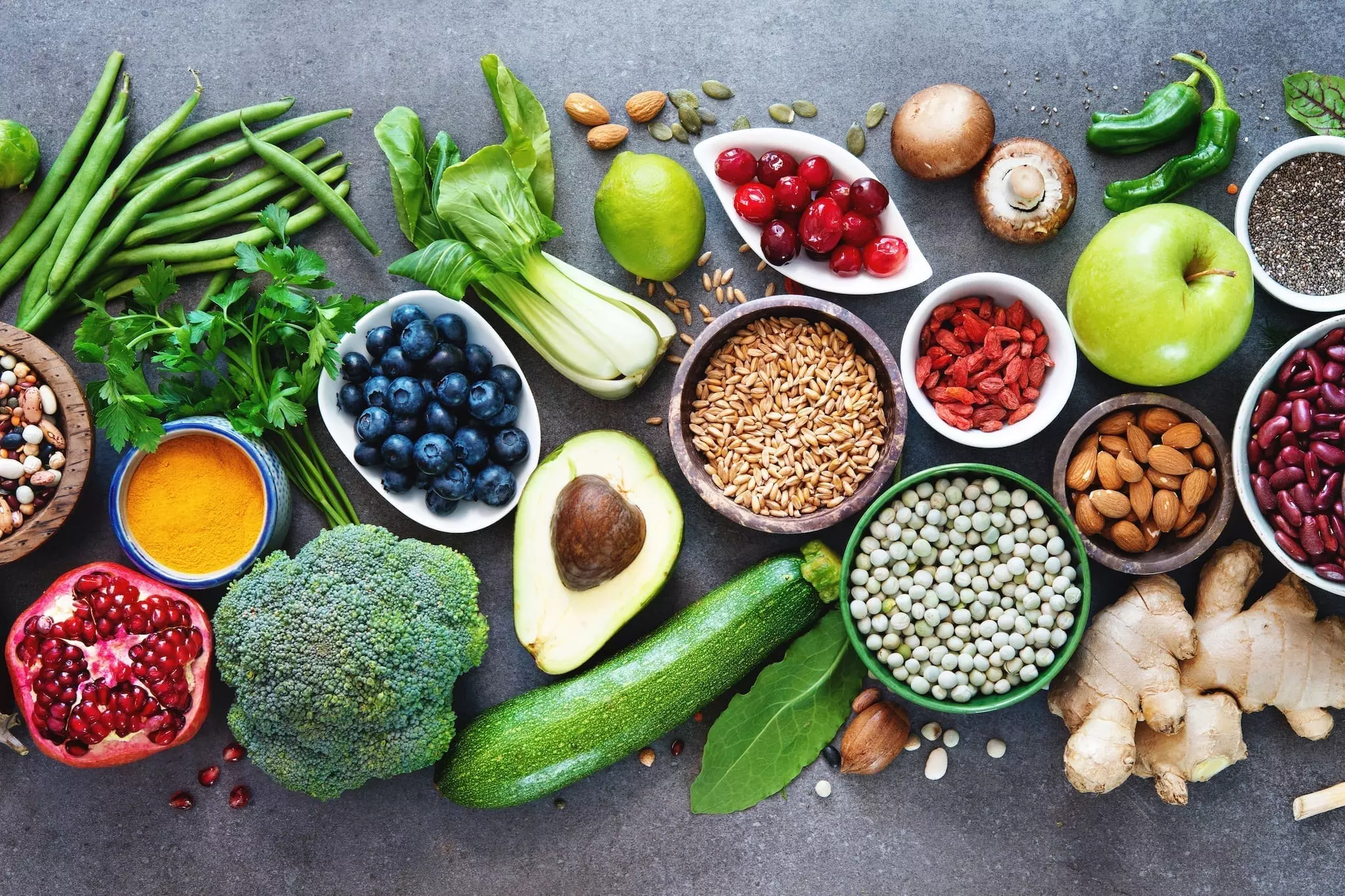
A diverse and balanced diet often includes a wide range of whole foods. Whole foods are generally foods that are minimally processed and close to their natural state. Examples include fruits, vegetables, whole grains, legumes, nuts, and seeds.
Including a variety of these foods in daily meals helps provide a broad spectrum of nutrients that the body uses to support normal functions. Different foods contain different combinations of vitamins, minerals, fiber, and other naturally occurring compounds.
Fruits and vegetables are frequently highlighted as important components of balanced nutrition. They contain vitamins, minerals, and plant-based compounds that contribute to general well-being. Eating a variety of colorful produce can help ensure exposure to a wider range of nutrients.
Whole grains are another valuable part of many balanced diets. Foods such as oats, brown rice, quinoa, and whole wheat products contain fiber and other nutrients that support digestion and sustained energy release. Compared with refined grains, whole grains often retain more of their natural nutritional content.
Legumes such as beans, lentils, and chickpeas are also commonly included in balanced eating patterns. They provide protein, fiber, and minerals and can be incorporated into many types of meals.
Nuts and seeds offer healthy fats along with additional nutrients such as vitamin E and magnesium. When consumed in moderate portions, they can add both flavor and nutritional value to meals and snacks.
The concept of dietary variety goes beyond simply eating different foods. It also includes combining ingredients from multiple food groups to create balanced meals. For example, a meal that includes vegetables, whole grains, and a source of protein can provide a range of nutrients that complement one another.
Variety may also help make meals more enjoyable. Different flavors, textures, and cooking methods can make healthy eating more interesting and sustainable over time. Enjoyable meals are often easier to maintain as part of daily routines.
Seasonal foods can further contribute to dietary diversity. Many fruits and vegetables are naturally available at different times of the year, which encourages rotating ingredients and trying new foods.
Another advantage of eating a wide variety of whole foods is that it reduces reliance on any single ingredient or food group. This balanced approach supports overall nutritional adequacy and helps create a flexible and adaptable eating pattern.
Cooking at home may also support greater variety in meals. Preparing meals allows individuals to experiment with ingredients, spices, and preparation methods. Even simple dishes can incorporate multiple nutrient-rich components.
It is important to remember that balanced nutrition does not require perfection. The goal is to gradually include more diverse foods over time while maintaining an overall pattern of moderation and consistency.
By focusing on whole foods and embracing variety, individuals can build meals that provide the body with the nutrients it needs while also supporting a satisfying and sustainable approach to eating.